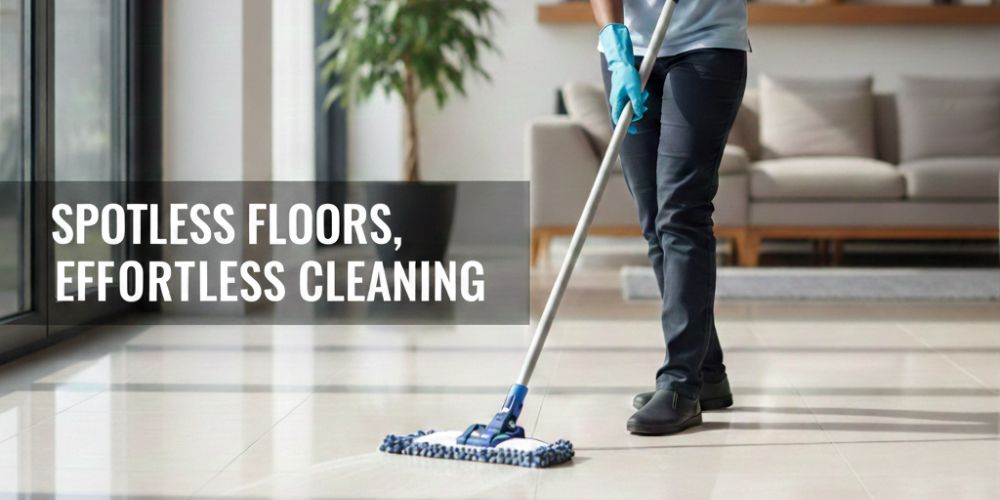
Keeping floors clean should not require harsh chemicals or expensive products. A DIY floor cleaner made from simple household ingredients can remove dirt, cut grease, and protect your flooring when used correctly. These floor cleaning DIY methods are affordable, effective, and safe for everyday use.
In this guide, you will learn homemade floor cleaner recipes designed specifically for hardwood, laminate, and vinyl floors, along with expert tips to avoid damage and residue.
These DIY floor cleaning methods reflect practical experience from professional residential cleaning work, including routine maintenance of hardwood, laminate, and vinyl floors in Missouri homes.
What Is a DIY Floor Cleaner?
A DIY floor cleaner is a homemade cleaning solution made from common household ingredients like vinegar, dish soap, alcohol, or baking soda. These cleaners are designed to safely remove dirt and grime without harsh chemicals, making them ideal for routine floor cleaning.
Why Choose a Homemade Floor Cleaner?
Using a homemade floor cleaner solution offers several practical benefits:
- Fewer chemicals in your home
- Lower long-term cost
- Custom formulas for different floor types
- Reduced residue buildup
- Safe for pets and children when used properly
- Better control over moisture levels
General DIY Floor Cleaner Recipe (All Sealed Floors)
This DIY floor cleaning solution works well for sealed surfaces and light, regular cleaning.
Ingredients
- 2 cups warm water
- ½ cup white vinegar
- 1 teaspoon mild dish soap
How to use
- Mix all ingredients in a bucket or spray bottle
- Lightly dampen a microfiber mop
- Clean floors using an S-pattern
- Allow to air dry
Why it works
- Vinegar breaks down light residue on compatible surfaces
- Dish soap lifts grease when used sparingly
- Minimal moisture helps prevent streaking
Tip: Avoid over-wetting floors. Excess moisture can cause swelling or streaking.
DIY Floor Cleaner for Hardwood Floors
Hardwood requires gentle care. Too much water or acid can damage the finish.
Best Hardwood Floor Cleaning DIY Solution
- 2 cups warm water
- ¼ cup rubbing alcohol
- 1 teaspoon dish soap
This DIY floor cleaning solution removes grime without dulling the surface.
How to Use
- Use a microfiber mop only
- Mop lightly, never soak
- Dry immediately if needed
Why this works
- Rubbing alcohol speeds evaporation
- Low soap concentration prevents buildup
- Damp mopping limits moisture exposure
Avoid vinegar on unsealed or older hardwood floors.
Homemade Floor Cleaner for Laminate Floors
Laminate floors trap moisture easily, so fast-drying formulas work best.
Laminate-Safe Homemade Recipe
- 1 cup water
- 1 cup rubbing alcohol
- 1 teaspoon dish soap
This homemade floor cleaner solution evaporates quickly and prevents streaks.
Never use: steam mops or wax-based cleaners on laminate floors.
DIY Floor Cleaner for Vinyl Floors
Vinyl floors are durable but can become sticky with soap residue.
Vinyl Floor Cleaner Recipe
- 1 gallon warm water
- ½ cup white vinegar
For heavy soil, add:
- 1 teaspoon dish soap
This is one of the most effective homemade floor cleaner recipes for vinyl.
Why Floors Feel Sticky After Cleaning
Sticky floors are usually caused by cleaning residue rather than dirt.
Common causes
- Too much dish soap
- Dirty mop water
- Product or wax buildup
- Incorrect DIY mixing ratios
How a proper DIY floor cleaner helps
- Minimal surfactants reduce film
- Fast-drying ingredients limit residue
- Correct dilution keeps floors smooth
Using the right floor cleaning DIY method prevents buildup instead of adding to it.
Best DIY Floor Cleaner by Floor Type
| Floor Type | Best Homemade Cleaner | What to Avoid |
| Hardwood | Alcohol + water | Vinegar, steam |
| Laminate | Alcohol-based mix | Excess water |
| Vinyl | Vinegar + water | Heavy soap |
This quick reference helps match the cleaner to the surface.
DIY Floor Cleaner vs Store-Bought Cleaners
DIY Floor Cleaning
- Lower long-term cost
- No waxes or fillers
- Ingredient transparency
- Easy customization
Commercial Cleaners
- Convenient
- Often leave residue
- May dull finishes over time
For routine maintenance, a properly mixed DIY floor cleaner is often sufficient.
Tools Matter More Than the Cleaner
Even the best homemade floor cleaner recipe depends on proper tools and technique.
Recommended tools and methods:
- Microfiber mop
- Two-bucket system
- Frequent water changes
- Damp, not wet, mopping
Technique has a greater impact on results than the cleaning solution itself.
Common DIY Floor Cleaning Mistakes to Avoid
- Using too much soap
- Soaking floors with water
- Mixing incompatible ingredients
- Using abrasive tools
- Applying one recipe to all floor types
Avoiding these mistakes helps protect floors long-term because every flooring material needs a specific floor cleaning DIY approach.
How Often Should You Use a DIY Floor Cleaner?
- High-traffic areas: 2–3 times per week
- Moderate traffic: once weekly
- Deep cleaning: once per month
Routine use of a DIY floor cleaner prevents buildup and extends floor life.
Frequently Asked Questions
Can homemade floor cleaners damage floors?
Yes, if used incorrectly. Always match the recipe to the floor type and avoid excess moisture.
Are DIY floor cleaners safe for pets?
Most are safe when properly diluted and fully dried before pets return to the area.
Is vinegar safe for all floors?
No. Vinegar should be avoided on unsealed hardwood and stone surfaces.
Is baking soda safe for floors?
Baking soda is abrasive and can damage finished surfaces.
How long should floors take to dry after cleaning?
Most floors should dry within 10–20 minutes when cleaned correctly.
Final Thoughts
A well-made DIY floor cleaner can outperform store-bought products when matched to the correct floor type. These homemade floor cleaner recipes offer a safe, affordable, and effective way to maintain clean floors without harsh chemicals.
By using the right floor cleaning DIY method and avoiding common mistakes, you can keep hardwood, laminate, and vinyl floors looking their best year-round. For deeper residential cleaning needs beyond routine care, contact St. Louis Clean Solutions for professional services that regular maintenance may not fully remove.